Why This Cuddly Bear Design Stands Out for Crafters
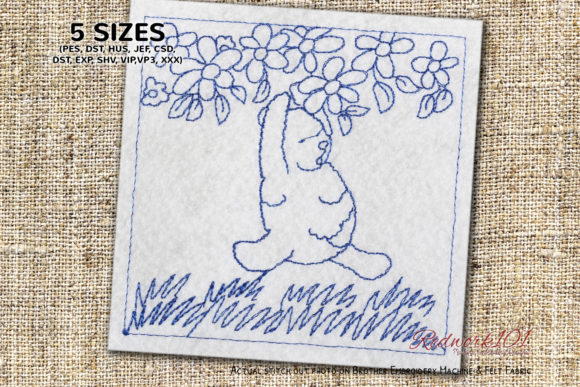
When you first open the Baby Bear Hanging to Tree Redwork embroidery file, you feel a quiet, nostalgic charm. It’s not a loud, busy design, but a gentle one. The simple redwork style—typically a single color linework—immediately suggests a classic, handcrafted feel. The bear's playful pose, hanging from a branch, creates a storybook mood that is both whimsical and tender. This isn't just a graphic; it’s a little scene that invites personalization and warmth.
The Natural Fit for Real Projects and Products
This design’s personality makes it a natural candidate for projects where softness and sentiment matter. Imagine stitching it onto a canvas tote bag for a baby shower gift, the single-color detail sitting beautifully against the natural fabric. Or, consider it centered on a heirloom-quality pillow cover for a nursery, where its gentle lines won’t overwhelm the room’s decor. For apparel decorators, it’s a lovely focal point on a child’s sweatshirt or a simple apron, offering a handmade touch that feels special rather than commercial.
For small business owners and Etsy sellers, this is a design that can anchor a product line. Its clear, friendly theme in the Wild Animals category makes it easy for customers to recognize and connect with. A simple, well-executed embroidery of this bear on a tea towel or a baby blanket can elevate the perceived value of the entire product, signaling care and craftsmanship. In printable mockups for your shop, the clean lines will show up clearly, making your digital product previews look professional and trustworthy.
Where Its Simplicity Becomes a Strategic Advantage
Because of its likely lower stitch density—a characteristic of many redwork styles—the Baby Bear Hanging to Tree Redwork design performs well on a variety of materials. It’s a strong candidate for thinner fabrics like fine cotton for kitchen towels or even for layering on a pre-made garment without creating a stiff, bulky patch. On curved surfaces like caps, the less dense stitch areas can conform better, reducing puckering. This opens up a lot of options for crafters looking to diversify their product offerings.
However, its simplicity also requires careful planning. On dark fabric backgrounds, you must choose a thread color with high contrast to maintain the design’s clarity—a deep burgundy or even a black on a navy bag, for instance. On textured fabrics like a woven blanket, you’ll need to select a stabilizer that keeps those clean lines sharp. The design note mentions that an optional box stitch is shown, and that the color of the outer box is often a different color. This is a practical heads-up: it means you can likely skip that element if it doesn’t suit your project, simplifying the embroidery process and tailoring the final look directly to your vision.
Practical Considerations Before You Hoop the Fabric
My first rule for any new embroidery file is to test it on scrap fabric that matches my final project material. For Baby Bear Hanging to Tree Redwork, this is crucial to check how the small details, like the bear’s tiny paws or the tree branch lines, render. Do they stay distinct, or do they blur? This test also lets you review the actual stitch density on your machine and confirm the minimum hoop size you’ll need for clean execution.
Always run a test in both a light and dark fabric simulation, even if just in your machine software or a black-and-white mockup. This helps you visualize the final appeal on different products. Another key step is to confirm the licensing terms of the design file. Before you stitch it onto merchandise for your craft business or sell the finished product at a craft fair, you need to know if your use is for personal projects only or if commercial embroidery is permitted. This protects your business and maintains customer trust.
Turning a Digital File into a Loved Finished Product
When this design is stitched well, it affects everything from customer engagement to your brand’s consistency. On a personalized gift, like a monogrammed baby bib with this bear added, it creates a cohesive, custom feel that buyers cherish. For a boutique’s branded merchandise, a consistent use of such a clean, thematic design across aprons, tote bags, and pillow covers builds a recognizable visual identity.
The handmade presentation is where it truly shines. Unlike overly complex designs that can look machine-made, the redwork style of Baby Bear Hanging to Tree Redwork inherently suggests skill and attention. It tells a story. That story increases its giftability and makes it a standout item in holiday gift collections or as a heartfelt wedding present for a new family. It’s not just an applique; it’s a little piece of art.
For your craft business, this means the design can be a reliable asset. It’s adaptable: scale it for a small patch on a cap or enlarge it for a centerpiece on a sweatshirt. Its clarity ensures stitching remains sharp, which in turn makes your finished products look professional. This professionalism directly engages buyers, as they can immediately see the quality and the care you’ve invested.
A Design That Encourages Creative Confidence
Ultimately, the Baby Bear Hanging to Tree Redwork embroidery design is a tool for creative confidence. Its straightforward, charming layout doesn’t fight with you; it collaborates. It gives you the framework to create something beautiful without technical overwhelm. By advising you that the box stitch is optional, it even invites you to make a creative choice—to frame the bear or let it hang freely on your chosen fabric.
So, whether you’re an apparel decorator adding it to a line of children’s wear, a hobbyist making a special nursery decor item, or a digital product seller including it in a themed bundle, approach it with this practical mindset. Test it, understand its behavior on your specific materials, choose your thread colors with contrast in mind, and always respect the licensing. Then, let this cuddly bear do its job: to bring a smile, to add value, and to transform a simple piece of fabric into a keepsake.