Halloween Shoe Embroidery Design for Branded Merchandise
A Professional Designer's First Impression
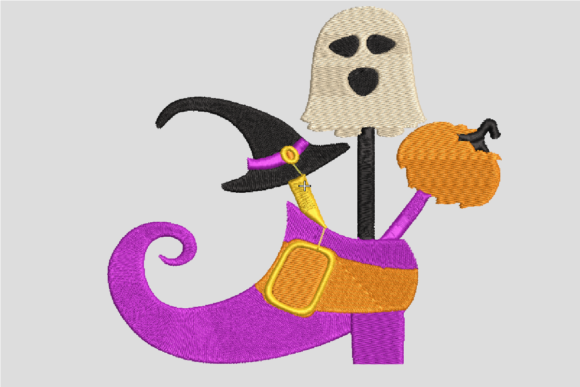
When reviewing the Halloween Shoe embroidery digital file, my immediate thought is its playful and handmade character. The description specifies it was digitized by hand, which often translates to a design with thoughtful, organic stitch placement rather than a purely automated feel. This can be a significant asset for businesses wanting a rustic, friendly, or artisanal brand identity. For a Halloween-themed café, boutique, or creative studio, this design feels less like a generic graphic and more like a custom illustration, adding perceived value to any item it embellishes.
Evaluating Business Applications: Where Halloween Shoe Shines
As a professional focused on commercial embroidery projects, I consider how a design performs in real-world use. The Halloween Shoe design presents several exciting opportunities for small business merch and branded apparel.
Branded Patches and Product Accents
This design is a strong candidate for creating embroidered patches. Patches are versatile; they can be sewn onto tote bags, aprons, or even used as product packaging accents for a handmade shop. For a pet brand with Halloween-themed merchandise or a bakery offering seasonal treats, a Halloween Shoe patch on a canvas bag or apron immediately communicates a playful, thematic brand extension. It functions as a brand identity mark that’s more decorative than a simple logo, perfect for customer gifts or event merch.
Uniform and Apparel Embellishment
For staff uniforms, work shirts, or caps, this design could serve as a delightful sleeve detail or chest logo accent. A small florist or boutique might use it on the sleeve of a staff polo during October, adding a festive touch without overwhelming the primary logo. On a cap, positioned on the front or side, it creates a fun, approachable look for team members at a local café or creative studio.
Enhancing Product Value and Recognition
Applying the Halloween Shoe to merchandise like tote bags, aprons, or even tea towels transforms a standard product into a seasonal, branded item. This enhances product value and fosters customer engagement. For Etsy sellers or craft businesses, it provides a ready-made design asset for creating a cohesive line of Halloween products, boosting visual consistency across listings and printable mockups.
Practical Considerations and Areas for Careful Use
While the potential is strong, successful execution depends on mindful application. The mention of "stitch angle 5 size" in the description suggests attention to technical detail, but specific stitch density, hoop size, and file format are details you must verify with the seller before production.
Navigating Size and Surface Challenges
This design should be evaluated carefully for use on small patch sizes and curved surfaces like cap fronts. If the design contains intricate details or tiny elements, they may not stitch cleanly at very small dimensions. Always test it at the intended small patch size first. For caps or items with texture, using proper stabilizer is non-negotiable to prevent puckering.
Contrast and Durability for Business Use
Consider thread color contrast against your typical fabrics. If your business uses dark uniforms or bags, ensure the chosen thread palette will pop. Items like aprons or work shirts that need frequent washing require a robust embroidery; check that the design’s stitch structure isn’t overly dense in small areas, which could affect longevity on textured fabric.
Professionalism and Brand Trust
A well-executed embroidery design directly impacts perceived professionalism. A clean, crisp stitch-out of the Halloween Shoe on a staff apron signals attention to detail and strengthens customer trust. Conversely, a poorly executed version—with skipped stitches or misaligned details—can undermine your brand’s handmade presentation. Always test on real fabric before committing to a production run.
Essential Designer Notes Before Production
Here is a practical checklist I recommend every small business owner or apparel decorator follow when implementing a design like Halloween Shoe for commercial use.
- Test in Black and White First: Run a simple black thread version on white fabric. This reveals the core structure, outlining, and spacing without color distractions.
- Review Spacing and Density: Examine how elements interact. Tight spacing on complex designs can cause thread breaks or fabric distortion.
- Create a Mockup for Client Approval: If you're an embroidery shop producing for a client, always provide a stitched sample or high-quality printable mockup for approval before finalizing their order.
- Compare Design Assets: Place the stitched design beside your other brand elements. Does the Halloween Shoe feel cohesive with your main logo or other seasonal graphics?
- Confirm Commercial Licensing: The product description doesn’t specify license terms. You must confirm the digital embroidery file comes with a license for commercial embroidery and business use before applying it to merchandise you sell.
- Inspect for Real Fabric Application: Test on the exact fabric type you’ll use—whether it’s canvas for a tote bag, twill for a cap, or cotton for an apron. Different fabric textures demand different stabilizer choices.
Final Thoughts on Halloween Shoe for Your Business
The Halloween Shoe embroidery design, with its hand-digitized approach, offers a charming, thematic asset for businesses looking to enhance their seasonal branding. Its playful nature makes it ideal for custom apparel, patches, and merchandise aimed at creating a festive atmosphere. However, its business success hinges on treating it as a professional machine embroidery design—not just a decoration. By conducting thorough tests, verifying technical details, and ensuring proper licensing, you can transform this digital embroidery file into a valuable tool that elevates your brand identity, increases product appeal, and delivers a high-quality finished product that your customers and team will appreciate.