A Friendly Pumpkin Cake Design for Halloween Embroidery
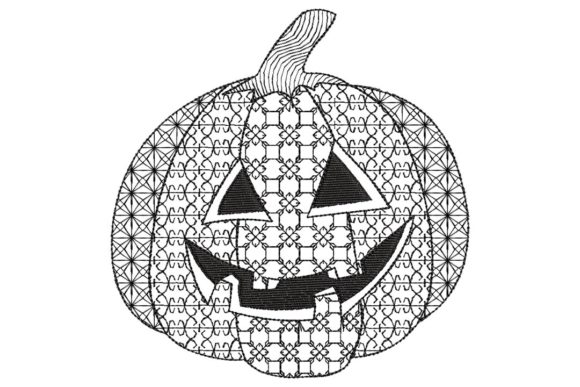
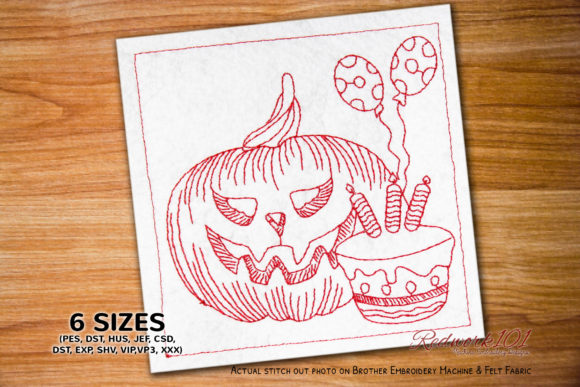
Let’s talk about the Halloween Pumpkin with Cake Redwork design. As someone who stitches for clients and my own small shop, my first look at a new file is always from a practical, project-ready perspective. This design isn’t about spooky or scary Halloween; it’s cozy and almost nostalgic. The pumpkin here is friendly, paired with a simple cake slice, creating a theme that’s more about sweet celebration than fright. The redwork style—typically implying single-color linework—gives it a classic, handcrafted feel that resonates well with customers looking for a gentler take on holiday decor.
The Kind of Projects This Design Naturally Suits
The layout is straightforward and central, making it a versatile candidate for a wide range of embroidery projects. I immediately pictured it on a autumn-themed tea towel or a cozy pillow cover for a living room. But its real strength, I think, is in personalized gifts and small shop merchandise. Imagine stitching this onto the corner of a cotton tote bag for a craft fair. The design isn’t overly large or dense, so it wouldn’t make the bag stiff or unwieldy. For an Etsy seller focusing on baby items, this could be a charming, subtle addition to a little onesie or a nursery blanket—the pumpkin and cake motif is playful without being overwhelming.
For apparel decorators, consider it on the left chest of a sweatshirt. The design has a balanced weight; it wouldn’t feel like a heavy, dense patch that could distort the knit fabric. This is key for custom apparel that needs to remain comfortable and look professional after stitching. I’d also seriously consider it for an apron or a chef’s hat in a boutique kitchen shop—the cake element ties it back to baking, making it more thematic than just a generic Halloween image.
Where You Should Proceed with Caution
While the design is adaptable, there are always situations where a careful review is necessary. The product note mentions that the box stitch shown is optional and that the outer box color can vary. This is important. On dark fabric, if that outer box is part of the file and stitches in a light color, it will act as a bold frame. You need to decide if that enhances your project or if you should skip it as suggested for a cleaner, integrated look.
Given the likely linework nature of redwork, very small hoop sizes might compress the details. If you’re thinking of putting this on a cap, where the curved surface and smaller working area are constraints, test it first on a scrap fabric mimicking that curve. Similarly, on textured fabrics like a thick blanket, fine details can get lost; you might need to adjust stitch density or use a firmer stabilizer to maintain clarity.
For products destined for frequent washing—like kitchen towels or baby clothes—the longevity of the embroidery depends on stitch integrity. Redwork often uses running or fill stitches. Areas with higher stitch density could become stiff points on thin fabric after many washes. Always test on scrap fabric first, wash it several times, and see how it holds up before committing to a production run.
How This Design Translates to Customer Appeal and Value
From a business and presentation angle, the Halloween Pumpkin with Cake Redwork carries a specific mood. It’s approachable. In my experience, customers browsing for holiday embroidery gifts often gravitate towards designs that feel handmade and warm, not mass-produced and garish. This design delivers that. When stitched neatly, it elevates a simple item. A plain pillow becomes a seasonal decor piece; a basic tote becomes a thoughtful gift. That transformation is what adds product value.
For creative entrepreneurs, using a design with such a clear personality helps with brand consistency. If your shop vibe is friendly, rustic, or family-oriented, this file aligns perfectly. It also has good giftability and recognition—the pumpkin and cake are instantly understood, but the redwork execution makes it special. When a customer sees this on a finished product, they trust the craftsmanship because the design itself suggests attention to detail.
Practical Notes Before You Hoop the Fabric
Before running this machine embroidery design on your final project, here’s my standard checklist. First, always verify the specifics of the embroidery file. The product description indicates some flexibility with the outer box. Does your version include it? Check the actual file in your software.
- Stitch it out on a scrap of your intended project fabric. This reveals everything: thread tension, whether small details like the cake layers are distinct, and how the colors interact with your background.
- Pay attention to thread color contrast. Redwork suggests a single color, but which one? Test a few options. A deep burgundy might look richer on light linen than a bright scarlet.
- Review the design in black and white or a simple mockup. This helps you see it purely as shape and composition, stripping away color bias.
- Confirm the physical hoop size needed. Even if the file is labeled, your machine’s capability and the project’s size might require adjustments.
- For commercial embroidery or selling finished items, always confirm the licensing terms. Ensure you have the rights to use the digital embroidery file for producing and selling handmade products.
- Use the appropriate stabilizer. For a tote bag, you might need a cut-away; for a t-shirt, a tear-away might suffice. The right foundation prevents puckering and preserves the design’s clean lines.
A Real Scenario: Crafting a Holiday Gift Tote
Let’s walk through a real case. I’m preparing a custom embroidered tote bag as a Halloween gift for a friend who loves baking. The Halloween Pumpkin with Cake Redwork is my chosen design. I select a natural canvas tote. Because canvas is a stable, medium-weight fabric, I opt for a medium-weight stabilizer. I decide to skip the optional outer box stitch to let the design merge more softly with the fabric. I choose a rusty orange thread for the redwork to keep it autumnal.
After a test run on a canvas scrap, I notice the cake slice details are clear and the pumpkin outline is smooth. The overall stitch count isn’t excessively high, so the bag won’t become stiff in that area. When I stitch the final bag, the result is exactly what I envisioned: a unique, handmade gift that combines holiday spirit with a personal touch (the cake). It feels professional, not homemade in a hurried sense. This is the kind of project that could easily become a popular listing in a small shop, because it tells a little story—Halloween treats and baking.
In conclusion, the Halloween Pumpkin with Cake Redwork is a design with character and practical versatility. It’s not just a digital asset; it’s a starting point for creating finished products that carry warmth and craftsmanship. By testing it thoroughly and matching it to the right projects—like personalized gifts, boutique home goods, or subtle holiday apparel—you can leverage its friendly aesthetic to create items that truly resonate with customers and gift recipients. Remember, the final judgment of any embroidery design comes from the hoop, not just the screen. See how it stitches, see how it looks on the actual fabric, and then you’ll know exactly where its home should be.