Ashiko Drum Redwork: A Design with Quiet Rhythm
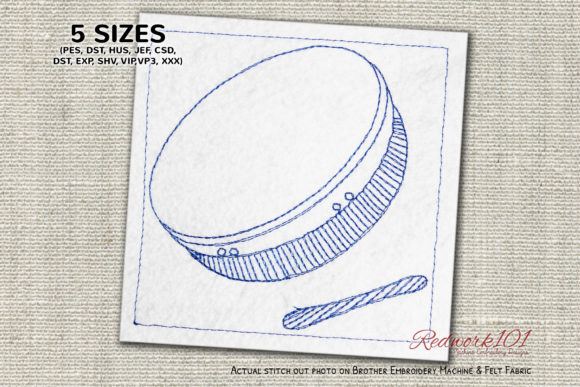
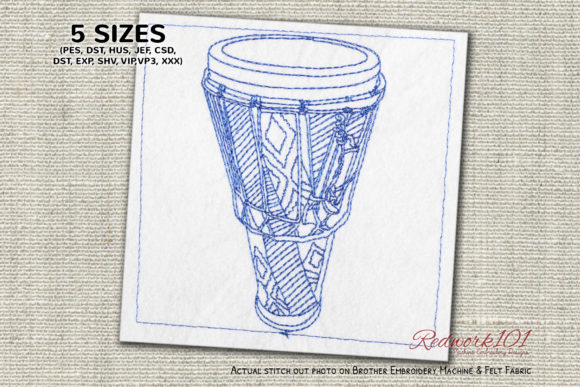
When I first opened the Ashiko Drum Redwork embroidery file, its clean lines and iconic shape struck me. It doesn’t shout; it has a quiet, confident presence. This isn’t a design overloaded with ornate fill stitches—it’s a classic redwork-style line drawing that feels both traditional and modern. The single-color approach (with the optional box stitch, as noted) creates a focus on form and rhythm, which perfectly matches its musical theme. It immediately gave me the impression of a design that would be elegant on a linen tea towel or strikingly personal on a custom sweatshirt.
The Mood It Creates and Where It Belongs
This design evokes a sense of heritage, craft, and passion. The Ashiko drum is a symbol of connection and rhythm, making this embroidery file feel more meaningful than a generic graphic. For makers, that’s a significant starting point. I picture this working beautifully on items meant to convey personal taste or a story. Imagine it on the pocket of a canvas apron for a music teacher, or as a centered motif on a cotton tote bag for a festival-goer. Its visual personality is clean and artistic, making it a fantastic choice for boutique products aiming for a handmade-but-polished look.
Real-World Performance on Popular Products
Let’s talk application. I recently considered this design for a client who wanted a unique gift for a percussionist: a custom embroidered pillow cover. The Ashiko Drum Redwork was ideal. The likely running stitch or simple satin stitch outlines would translate smoothly onto home decor textiles without being overly dense or stiff. For apparel decorators, this is a versatile asset. On a heavyweight sweatshirt, the design would sit nicely across the chest or sleeve without adding uncomfortable bulk. Stitched onto a baby’s organic cotton romper as a subtle accent, it becomes a personalized heirloom piece rather than a loud cartoon.
For small business owners crafting merchandise, like an Etsy seller specializing in musician-themed goods, this embroidery design offers clear brand consistency. A series of products—tote bags, patches, kitchen towels—all featuring this coherent musical motif builds a recognizable collection. As a digital product seller, providing a printable mockup of this design on a mock sweatshirt or tote helps your buyers visualize the final product’s appeal instantly, boosting buyer engagement.
When to Exercise a Little More Care
While wonderfully adaptable, the Ashiko Drum Redwork, like any line-based design, requires thoughtful execution in certain scenarios. On very small hoop sizes, the finer details of the drum’s structure could become fragile; test on scrap fabric first to ensure stitch clarity. Textured fabrics like loose knits or stretchy jersey for t-shirts demand excellent stabilizer choice to keep those clean lines from distorting.
If you’re considering it for a curved surface like a cap, be mindful of the design’s layout—it may need slight repositioning to sit correctly on the crown. The optional outer box stitch mentioned in the description is a key consideration. If it’s a different color, it becomes a framing element. If you skip it, as suggested, the design becomes a pure, unadorned outline. This choice dramatically affects the final look, so preview it in your software on both light and dark fabric backgrounds to see which version suits your project. On dark fabrics, thread color contrast is paramount; a classic red might not pop, so consider a bright ivory or gold thread for the same redwork effect.
How This Design Impacts Your Project’s Success
From a professional standpoint, using a design like Ashiko Drum Redwork correctly enhances perceived value. A clean, well-executed stitch-out on a tea towel elevates it from a simple kitchen item to a desirable handmade gift. For creative entrepreneurs, this translates directly to customer trust and repeat business. The design’s inherent giftability is high—it’s specific enough to feel thoughtful for a music lover, yet universal enough in its artistry to appeal to a broader audience looking for a unique pattern.
Its professionalism comes from its clarity. There’s no visual clutter, which means when stitched with good technique, the finished product looks intentional and skilled. This is crucial for commercial embroidery projects where the end-client expects a sharp, durable result. Whether applied as an embroidered patch for a band merchandise or as direct embroidery on a blanket, the design’s integrity should hold, contributing to a positive buyer experience.
Practical Notes from the Hoop
Before you run this machine embroidery design on your final project, here are my always-recommended steps. First, always test on a scrap of your project fabric. This tells you everything about needed stabilizer, thread tension, and how the stitch density feels on that specific material. Inspect the small details in your test stitch-out—are the drum’s ties and curves clear? Second, play with thread color. The “redwork” name suggests tradition, but a modern twist with navy or sage green thread could make it perfect for a contemporary boutique product line.
Third, consider scale. This design likely works well at a moderate size that allows its shape to be appreciated. Confirm the effective hoop size with your machine software. Finally, be absolutely clear on licensing. The product description doesn’t specify terms, so you must check whether this embroidery file is licensed for personal use only, or if it allows you to sell the finished products you make with it, or even the digitized file itself. This is non-negotiable for craft business owners and digital product sellers.
In essence, the Ashiko Drum Redwork is a design asset with a strong, quiet character. It fits into a music-themed niche naturally but carries an artistic weight that transcends it. For the maker looking to add a touch of meaningful craftsmanship to a custom apparel item, a personalized gift, or a line of small shop merchandise, it offers a reliable and aesthetically pleasing path to a beautiful finished product.