Aqua Frog in Water Applique Pattern: A Designer's Honest Review
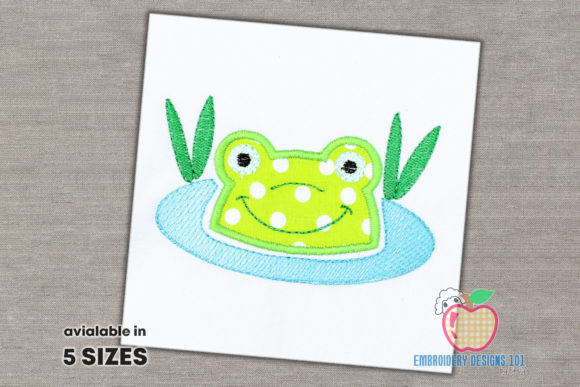
When I first unzipped the Aqua Frog in Water Applique Pattern file, I wasn’t just looking at another reptile embroidery design. I was evaluating a potential character—a little amphibian personality that could bring a splash of whimsy and color to a finished product. My immediate thought was how distinct this feels from typical animal motifs. There’s a playful serenity here; the frog is nestled in its aquatic environment, not just sitting statically. That integrated scene, rather than a standalone creature, gives it a storytelling quality that I find immediately appealing for projects meant to spark joy.
The Mood It Creates and Where It Naturally Belongs
The layout and detail level suggest a friendly, approachable design. It’s not overly cartoonish, nor is it hyper-realistic—it strikes a lovely middle ground that would resonate with both children and adults who appreciate a touch of nature with a soft, artistic execution. This isn’t a design I’d slap onto anything; it asks for a thoughtful pairing. I instinctively pictured it on a nursery item, like a baby blanket or a little cotton coverall, where that aqua theme feels calming. But its charm isn’t limited to baby embroidery. I also saw it perfectly suited for a personalized kitchen towel or a linen apron, bringing a cheerful motif to daily routines. For a small shop product, this Aqua Frog pattern could become a signature piece for a boutique focusing on garden-themed or cottage-core style merchandise.
Performing in Real-Life Embroidery Situations
Let’s walk through a real scenario. Imagine I’m preparing a custom embroidered tote bag for a client who loves pond life. The Aqua Frog in Water Applique Pattern comes into play. Because it’s an applique design, the core shapes will be fabric pieces, likely with satin stitch borders and fill stitches for details. This means I can choose a contrasting fabric for the frog itself, adding a tactile and visual layer that pure stitch-fill designs lack. On a sturdy tote bag fabric, this should stitch out cleanly, provided I use a good stabilizer. The separated color changes mentioned in the description are a practical plus—they give me clear pauses to swap threads or fabrics, making the process more manageable for custom apparel projects like sweatshirts or t-shirts.
For commercial embroidery, like producing a series of patches or caps, the clear step-outs aid in consistency. However, on curved surfaces like caps, I’d be mindful of the water element’s potentially wider layout; testing on a scrap cap fabric first is essential to see if any distortion occurs. The design’s visual appeal translates directly to stitching clarity. If the digitizing is well done, the satin stitches defining the frog’s outline and the running stitches for finer details should be sharp, boosting the perceived value of the finished product and building customer trust in your craftsmanship.
Where This Design Demes a Little Extra Care
While versatile, the Aqua Frog pattern isn’t a universal one-size-fits-all. On very small hoop sizes, the integrated water details might become too condensed, losing their clarity. I’d recommend a moderate hoop size for best results. On textured fabrics like some sweaters or on thin, stretchy fabrics, the applique elements require extra stabilization to prevent puckering. Dark fabric backgrounds are a fantastic choice for contrast, but they necessitate a careful review of thread color selection—will your chosen aquas and greens pop sufficiently, or do they need a slight adjustment in hue? Also, for products destined for frequent washing, like baby clothes or kitchen towels, ensuring the applique fabric is securely stitched and using quality threads is paramount for longevity.
Practical Notes for My Fellow Makers
Before committing this to a client project or your craft business inventory, here’s my standard workflow advice. Always, always test the design on a scrap of your target fabric first. This isn’t just about checking stitch integrity; it’s about seeing the color story come to life. Review the stitch density in your machine’s preview; overly dense areas on lighter fabrics can cause stiffness. Since the product description notes it comes in multiple embroidery file formats, confirm your specific machine’s compatibility. Inspect the small details, like the frog’s features, in your test run. Does everything register clearly?
I also recommend testing the design in a simple black and white mockup for your Etsy listings or printable mockups. This helps you see its form without color, ensuring the composition is strong. Compare how it looks on a light versus a dark fabric background in your digital preview software—this informs your product photography and helps customers visualize options. Finally, a crucial step for digital product sellers and creative entrepreneurs: confirm the licensing terms before selling finished items or the digital embroidery file itself. Understanding whether it’s for personal use, commercial embroidery, or both protects your business and maintains professionalism.
The Final Impression: Giftability and Engagement
After considering all this, I see the Aqua Frog in Water Applique Pattern as a highly giftable design. Its friendly, non-aggressive theme makes it suitable for holiday gifts, wedding presents for nature-loving couples, or personalized products for birthdays. For handmade shop owners, this design can enhance brand consistency if your line revolves around playful animal themes. It’s recognizable without being generic, which aids in buyer engagement—customers remember a charming, well-executed motif. In the end, this embroidery design feels like a reliable, creative asset. It’s not just a file; it’s a starting point for a product that tells a small, happy story, whether that product ends up on a pillow cover, a child’s garment, or a boutique’s best-selling tote bag.