A Designer's Review: The Meditating Buddha Redwork Design
Whenever a new embroidery file arrives for review, I treat it like a potential star for my personalized gift shop. I’m not just looking at the pixels; I’m imagining it stitched out on a baby blanket, a kitchen towel, or a wedding keepsake pillow. Today, I'm testing the Meditating Buddha Redwork Design, considering its practical application and emotional pull for real customer orders.
First Impressions: Mood, Charm, and Emotional Appeal
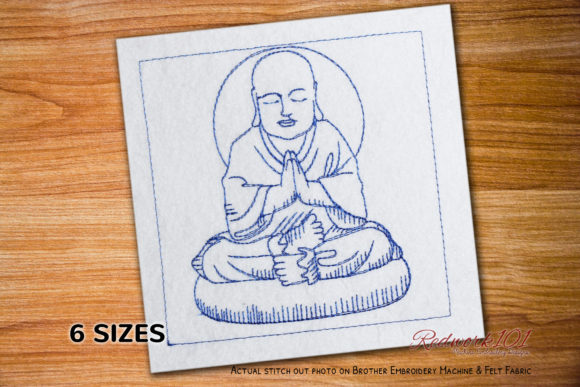
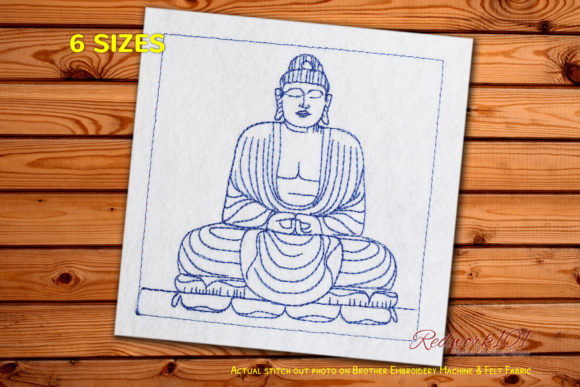
My immediate reaction to this machine embroidery design is one of serene, classic elegance. The redwork style, traditionally a single-color motif, lends a timeless, handmade quality that feels both respectful and artistic. The design’s mood is peaceful and contemplative, which is its greatest charm. It doesn’t shout; it invites quiet appreciation. This isn’t a playful or seasonal design—it’s a meaningful, emotive piece that connects on a deeper level. For customers seeking a gift with spiritual resonance or a symbol of tranquility, this design has immediate appeal.
Versatility for Personalized Gift Products
The true test of a good digital embroidery file is its versatility across different products and markets. Here’s where the Meditating Buddha Redwork Design shows considerable strength.
For baby embroidery and nursery decor, it could be beautifully stitched onto a blanket corner or a wall hanging, offering a calming presence. As a wedding gift, embroidered onto a pillow cover or a linen napkin set, it symbolizes peace and harmony for the new couple. For everyday keepsakes, it transforms simple items like personalized towels, aprons, or custom tote bags into thoughtful, elevated objects.
From a seller’s perspective, this design is a fantastic candidate for Etsy listings, craft fair products, and custom order previews. You can create a whole collection: an embroidered towel for a yoga enthusiast, a pillow cover for a meditation space, or a minimalist tote bag. Using a printable mockup in your shop listing to show how it looks on different items—like a dark fabric tote versus a light linen pillow—can significantly boost buyer engagement.
Where to Use This Design With Care
While the design is elegant, its successful application depends on mindful execution. As an embroidery designer, I always advise testing on scrap fabric first, especially with designs that might have delicate details.
Consider the fabric texture carefully. On thick towels or blankets, you'll need proper stabilizer and should review stitch density to ensure clean coverage without puckering. For stretchy baby clothes or curved surfaces like hats, extra stabilization and perhaps a smaller hoop size might be necessary to maintain the design's integrity.
Since this is a redwork design, thread color contrast is paramount. On dark fabric, the single color needs to be bright enough to stand out elegantly. I recommend comparing light and dark fabric mockups before stitching a final product. Also, check any small details after your test stitch—fine lines in the motif must be clear and not lost in the fabric grain. Remember, the optional box stitch mentioned is a framing element; its color can be changed or skipped, which adds to your customization options.
Giftability, Perceived Value, and Customer Trust
This is where the Meditating Buddha Redwork Design truly shines as a small shop product. When embroidered onto a high-quality item, it dramatically increases the perceived value and giftability. It feels like a handmade product with intention, not just a decoration. This fosters customer trust and an emotional connection—the buyer is purchasing a symbol, not just a pillow.
For product photography, the clean, single-color design photographs beautifully, allowing the item itself to be the focus. This helps in creating cohesive, professional-looking listings that communicate handmade quality and attract customers looking for meaningful, custom embroidery.
Practical Embroidery Notes Before You Sell
Before adding any finished product to your shop, a few crucial steps are non-negotiable.
- Test, Test, Test: Run the embroidery file on the exact fabric type you plan to use—whether it’s linen for a pillow or terry cloth for a towel.
- Confirm Your Setup: Ensure your hoop size accommodates the design comfortably. Check stitch density on your test piece to avoid thread buildup or fabric distortion.
- Plan for Care: If the finished product will need frequent washing (like kitchen towels or baby items), test a washed sample to ensure the embroidery holds up beautifully.
- The Most Important Step: Always confirm the commercial embroidery licensing terms for the digital embroidery file before selling any finished products. This protects your business and respects the designer's work.
A Design for Meaningful Connections
In my review, the Meditating Buddha Redwork Design proves to be a versatile and emotionally resonant tool for creators. It suits makers targeting customers who value spirituality, peace, and timeless craft. Whether you’re creating a wedding keepsake, a nursery item, or a simple kitchen towel with profound meaning, this design, executed with care, can elevate your personalized gift offerings and help build a shop known for depth and quality. Remember, the final magic happens when the digital file meets your skill and thoughtful fabric choice, creating a finished product that truly connects.